
Call us now :08045476105
 Send Inquiry
 Send Inquiry
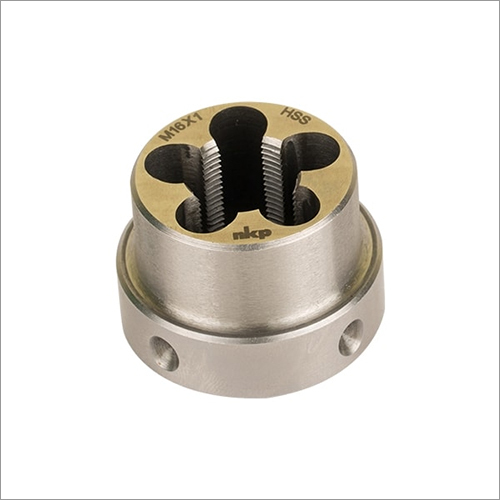
Conduit Thread Cutting Dies
Price 100-5000 INR/ Piece
MOQ : 1 , , Piece
Conduit Thread Cutting Dies Specification
- Machine Type
- Handheld Die Stock or Threading Machine
- Cutting Speed
- Manual Operation
- Cutting Force
- Manual / As per Hand Torque
- Material
- High Carbon Steel or Alloy Steel
- Shape
- Round (Die Circular Form)
- Coating Type
- Uncoated or Black Oxide
- Coating
- Uncoated / Blackened
- Features
- Replaceable, Reusable, Corrosion Resistant
- Hardness
- Hardened for Durability
- Cutter Type
- Thread Cutting Die
- Operation Type
- External Threading
- Tool Type
- Conduit Thread Cutting Die
- Cutting Capacity
- Up to 32mm (As per model)
- Operate Method
- Hand Driven / Die Stock Used
- Cutting Accuracy
- Standard for Conduit Threading
- Length
- Varies by size (ring thickness approx. 10-15mm)
- Diameter
- Available from 1/2 to 2 (15mm to 50mm)
- Maximum Torque
- Dependent on Die Size and Material
- Processing Type
- Thread Cutting
- Weight
- Depends on Size (Approx 100-600g)
- Surface Finish
- Smooth / Machined
- Compatibility
- Suitable for GI, MS, and Steel Conduits
- Usage
- Electrical, Construction, Plumbing
- Die Type
- Open Split Die
- Thread Type
- BS Conduit, NPT, BSP (As per Die)
- Application
- For Cutting Threads on Electrical Conduit Pipes
Conduit Thread Cutting Dies Trade Information
- Minimum Order Quantity
- 1 , , Piece
- Supply Ability
- 1000 Pieces Per Day
- Delivery Time
- 1-2 Days
About Conduit Thread Cutting Dies
We are pioneers in manufacturing and supplying qualitative Conduit Thread Cutting Dies to our valuable clients which is utilizing either a force cutting and stringing instrument or the more moderate manual stringing ratchet. It is apparatuses used to make screw strings which are called stringing. This item is utilized to cut or shape the female bit of the mating pair (for example a nut). The provided Conduit Thread Cutting Dies is utilized to cut or shape the male bit of the mating pair.
Product details
| Country of Origin | Made in India |
| Surface Finishing | Polished |
| Shape | All |
| Material | SS |
| Color | Silver |
| Brand | nkp |
Versatile Threading for Conduit Pipes
Our Conduit Thread Cutting Dies provide reliable threading functionality for electrical conduit pipes, offering compatibility with GI, MS, and steel materials. With support for various thread types including BS Conduit, NPT, and BSP, they suit diverse industrial and construction projects. These dies ensure precision cuts and are engineered for use in both manual hand tools and threading machines, meeting the needs of electricians, plumbers, and contractors alike.
Durable Materials and Superior Design
Crafted from high carbon or alloy steel, these dies are hardened for extended use and enhanced durability. The open split circular design allows easy installation and removal, while the smooth machined finish delivers high-quality threads every time. Their resistance to corrosion and wear ensures they perform reliably even under challenging job site conditions.
Flexible Sizing and Simple Operation
Conduit Thread Cutting Dies are available in a range of diameters from 1/2" (15mm) up to 2" (50mm), with a ring thickness typically between 10-15mm. Their replaceable and reusable nature ensures cost-effectiveness for ongoing projects. Manual operation via a handheld die stock or compatible machine delivers standard threading accuracy for external threads on conduit pipes.
FAQ's of Conduit Thread Cutting Dies:
Q: How do I use a Conduit Thread Cutting Die on electrical conduit pipes?
A: To use a Conduit Thread Cutting Die, secure it in a handheld die stock or compatible threading machine, align it with the pipe end, and rotate manually using steady hand torque. Apply lubricant to reduce friction and ensure smooth, precise threading.Q: What types of threads can these dies create on conduit pipes?
A: These dies are designed to produce BS Conduit, NPT, or BSP threads, depending on the selected die. This versatility makes them suitable for a wide variety of electrical, plumbing, and construction standards.Q: Where can Conduit Thread Cutting Dies be typically used?
A: These dies are widely used on job sites and in workshops for threading GI, MS, or steel conduits in electrical wiring installations, construction frameworks, and plumbing systems. Their robust compatibility makes them essential for many industrial applications.Q: What is the process for threading with these dies?
A: Threading involves attaching the die to a die stock or threading machine, placing it on the conduit end, and rotating it manually to cut external threads. The process may require periodic backing off to clear metal chips and maintaining consistent force for even threads.Q: What are the main benefits of using these thread cutting dies?
A: They offer precise, accurate threads, are reusable and replaceable for cost efficiency, and are made from durable, hardened materials for extended service life. Their corrosion resistance and compatibility with different conduit materials add to their versatility and reliability.Q: When should I choose an open split die compared to other die types?
A: An open split die is ideal when you require easier installation and removal, or need to adjust the thread diameter slightly. Their design allows for flexibility and simple maintenance, making them preferred for varied conduit threading tasks.Q: What is the maximum conduit size and material hardness the dies can handle?
A: Depending on the model, these dies can cut threads on conduits up to 32mm (2 inches) in diameter. The dies themselves are hardened for durability, enabling effective threading on tough materials like GI and steel conduits.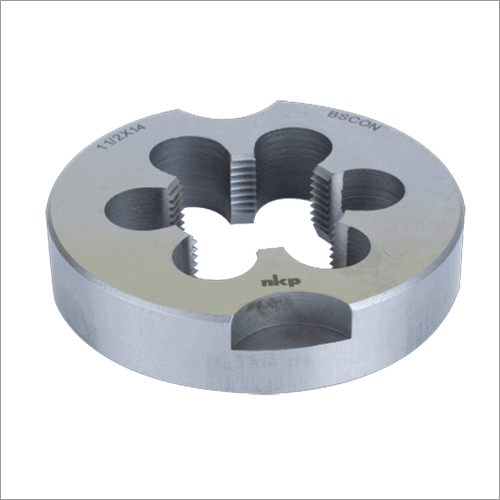
Tell us about your requirement

Price:
Quantity
Select Unit
- 50
- 100
- 200
- 250
- 500
- 1000+
Additional detail
Mobile number
Email

More Products in Thread Cutting Dies Category
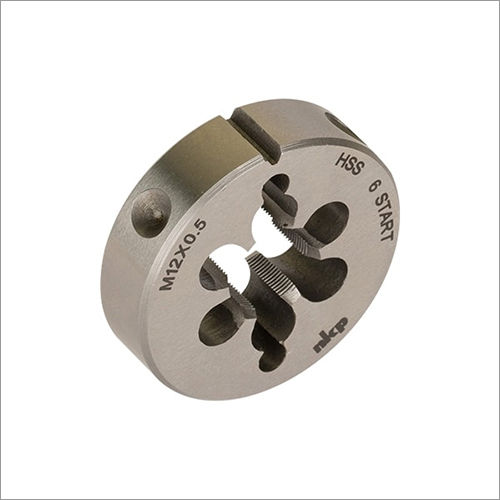
Multistart Thread Cutting Dies
Price 100-5000 INR / Piece
Minimum Order Quantity : 1 , , Piece
Shape : Round
Material : Others, High Speed Steel, Carbon Steel
Cutting Speed : Recommended 2060 m/min
Operation Type : Other, Manual or Machine Operation
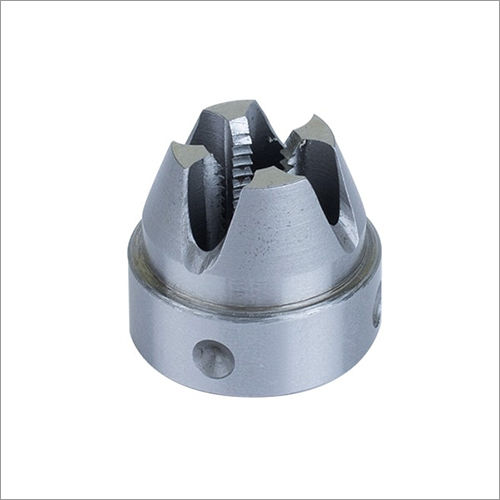
Acorn Thread Cutting Dies
Price 100-5000 INR / Piece
Minimum Order Quantity : 1 Piece
Shape : Round and Hexagonal
Material : Others, Alloy Steel / HSS
Cutting Speed : Manual/Hand operated
Operation Type : Other, Manual
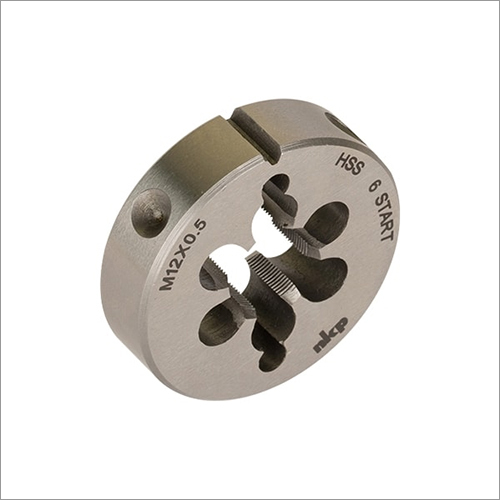
Multistart Dies
Price 100-5000 INR / Piece
Minimum Order Quantity : 1 , , Piece
Shape : Round
Material : Others, High Speed Steel (HSS), Tool Steel
Cutting Speed : Depends on material & machine
Operation Type : Other, Manual / Automatic
Special Thread Cutting Dies
Price 100-5000 INR / Piece
Minimum Order Quantity : 1 Piece
Shape : Round
Material : Others, High Speed Steel (HSS)
Cutting Speed : Standard for Die Applications
Operation Type : Other, Thread Forming

 Send Inquiry
Our Products

B No. J-43, Midc, Tarapur Industrial Estate, Boisar, Palghar - 401506, Maharashtra, India

Mr. Dilip B. Sawant
(Director)
Mobile :08045476105
 Send Inquiry
 Send SMS
 Call Me Free
Developed and Managed by Infocom Network Private Limited.
